

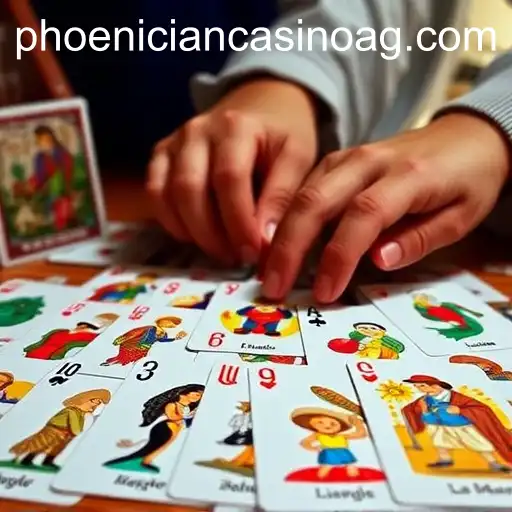
Loteria: A Cultural and Social Phenomenon
Loteria, a traditional Mexican game, is more than just a simple pastime. It has evolved over time to become a cultural cornerstone, an artistic expression, and even a medium for social change. For many, playing Loteria goes beyond the cards and bright images; it is deeply intertwined with heritage and community.
The Origins of Loteria
To understand the cultural significance of Loteria, one must first delve into its origins. Loteria, meaning "lottery" in Spanish, has roots tracing back to Italy during the 15th century. It made its way to New Spain, now modern Mexico, in the 18th century and has since transformed into a vibrant celebration of Mexican identity.
The traditional Loteria set consists of a deck of 54 cards, each displaying vivid, often allegorical images with their names inscribed underneath. Unlike bingo, where numbers are dominant, Loteria cards invoke an infusion of imagination, folklore, and mythology. Icons like "La Sirena" (The Mermaid), "El Catrin" (The Dandy), and "La Luna" (The Moon) reflect the rich tapestry of Mexican culture.
The Evolution Into Modern Culture
While Loteria holds a place in historical significance, it continues to adapt and thrive in modern settings. It is not uncommon to find these historic images reimagined in contemporary art, fashion, and even digital media. Platforms such as neymarjr.bet provide online access to Loteria, thus expanding its reach to a global audience.
Moreover, Loteria cards have inspired artists and activists who seek to use the game as a vehicle for commentary on social issues. New interpretations of cards might highlight matters like gender inequality, environmental concerns, and immigration, giving the traditional game a fresh and relevant outlook.
The Rules of the Game
In terms of gameplay, participants typically receive a tabla (board) filled with a random selection of images from the Loteria deck. A "cantor" or announcer draws images from the deck and calls them out by name. Participants mark these images on their tablas with beans or other small objects.
Winning can vary by game but usually involves completing a row, column, or a designated pattern like an "X" or a "T". It's both a game of chance and attentiveness, making it engaging for people of all ages.
Beyond playing for fun, there's a social component to Loteria that brings family and friends together. The communal aspect often extends to public events where Loteria raises funds for charitable causes or fosters community spirit during festivals and gatherings.
Loteria's Global Impact and Future
Although deeply connected to Mexican culture, the appeal of Loteria has transcended borders. As globalization bridges cultures, Loteria's iconic images have found their way into international consciousness. This widespread acceptance is part of a larger dialogue celebrating cultural diversity and fostering intercultural exchange.
Many cultural centers and communities outside Mexico now host Loteria events, keen to share its vibrant presence with a broader audience. Educational institutions also recognize the game as a rich educational tool because it can introduce topics ranging from Spanish vocabulary to Mexican history and traditions.
Loteria in the Digital Age
Technology has undeniably broadened the horizons of traditional games, and Loteria is no exception. Online platforms like neymarjr.bet not only preserve the authenticity and excitement of the original game but also allow it to evolve with new interactive features.
This digital adaptation attracts a younger demographic and maintains relevance in an era dominated by screen-based entertainment. Apps and online versions offer customizable board themes, a variety of drawing styles, and real-time interaction, thus paving the way for a modern Loteria experience.
The Cultural Education Through Loteria
Loteria offers a unique opportunity for cultural education, as it encapsulates the blend of history, art, and tradition within its gameplay. This educational aspect can introduce younger generations to their cultural roots in an engaging and memorable way.
Conclusion
As it stands, Loteria maintains its role as a vital part of cultural expression and social interaction. From traditional gatherings to digital platforms like neymarjr.bet, the beloved game continues to charm and educate generations. Engaging in Loteria is more than a test of luck; it is an intriguing journey through the essence of Mexican identity and community.
Overall, Loteria's enduring presence in both traditional and contemporary settings solidifies its status as a game that is both timeless and ever-evolving.