

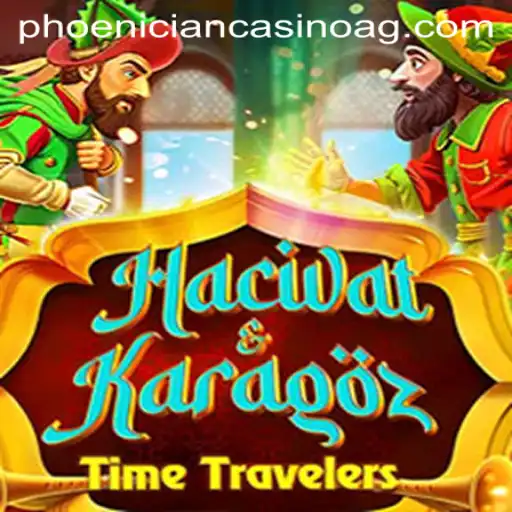
The Cultural Saga of Hacivat and Karagöz
Hacivat and Karagöz, a beloved shadow puppet theatre originating from Ottoman Turkey, has enchanted audiences for centuries. As a vibrant part of the Middle Eastern folkloric tradition, this game showcases the timeless intrigue of storytelling through animated silhouettes projected onto a backlit screen. With the namesake characters, Hacivat, the educated and polite servant, and Karagöz, the witty and mischievous counterpart, the dynamic is one of humor, satire, and social commentary.
Introduction to Hacivat and Karagöz
The origins of Hacivat and Karagöz are shrouded in legend, often traced back to 14th-century Anatolia. The stories typically center on the everyday lives and issues faced by the common man, often dwelling on themes of humor, satire, and morality. Local craftsmen would intricately fashion puppets from camel or water buffalo hide, relying on the distinctive and exaggerated features of each character to perform tales laden with cultural and historical references.
In the times of the Ottoman Empire, Hacivat and Karagöz served not just as entertainment but as a subtle form of critique against the establishment. The performances were a community spectacle, drawing people together during festive occasions, in the holy month of Ramadan, and at other social gatherings.
Rules of the Game
At its core, Hacivat and Karagöz is a game of performance rather than competition. The rules are simple yet profound, focusing on collaboration and narrative improvisation. Typically, a single puppeteer operates all the puppets, mastering distinct voices and personalities for each character. Traditionally, performances open with a comedic skit to engage the audience, often involving satire and playful banter between the puppet characters.
A classic scene involves Hacivat presenting a logical or virtuous idea, only for Karagöz to counter with a comical or subversive response. These exchanges highlight the duality of human nature, as well as providing commentary on societal roles. Participation from the audience is not uncommon, as impromptu interactions and local references further enrich the dialogue.
Hacivat and Karagöz in Modern Times
In an era dominated by digital innovations and online gaming platforms, the question of how traditional cultural games can remain relevant looms large. Yet, Hacivat and Karagöz have found new life in modern entertainment by embracing technology. Virtual simulations and online platforms have reintroduced this age-old tradition to younger audiences across the globe. This digitization, while preserving the essence of the art form, incorporates new interactive elements and expanded narratives, creating a hybrid space where tradition and innovation coexist.
Incorporating real-world themes, such as environmental challenges and socio-political issues, modern renditions continue the tradition of social commentary. Furthermore, collaborations with educational institutions and cultural bodies have secured its presence in learning environments, promoting cultural heritage and artistic expression.
The Modern Resurgence of Gaming and Cultural Heritage
Interestingly, the resurgence of interest in cultural games like Hacivat and Karagöz mirrors broader trends within the gaming sector. As more players seek immersive and meaningful content, coupled with the global emphasis on preserving cultural heritage, developers are increasingly drawing upon traditional narratives. This trend is evident in the growing popularity of games such as neymarjr.bet, which merge contemporary gaming experiences with historical and cultural underpinnings.
While games like neymarjr.bet explore sports betting and offer dynamic simulations tied to current events, they too benefit from the increased appreciation of narrative-driven content. By weaving in cultural motifs and historical grandeur, such games provide a rich tapestry of experiences that resonate deeply with a diverse audience.
The Role of Online Platforms
The internet has proven integral to the revival and sustainment of Hacivat and Karagöz. Platforms hosting virtual performances and interactive workshops offer unprecedented access to global audiences, allowing the game to transcend geographical and cultural barriers. Discussions on forums and interactive gameplay invite a creative exchange of ideas, ensuring that this traditional game remains a living, evolving art form.
For players and lovers of history alike, engaging with Hacivat and Karagöz today offers not only entertainment but a portal into the past replete with the wisdom and wit of eras gone by. As a facilitated meeting of tradition with the future, online platforms aim to project this timeless art form into new realms and uncharted territories of digital play.
Discover the cultural depth and modern resurgence of the traditional game Hacivat and Karagöz.